Rebuild Cost Assessment for London property.
Insure your property for what it really costs to rebuild. Our RICS rebuild cost assessment gives UK property owners a true rebuild figure, so you can avoid under-insurance and stop overpaying on premiums. Your insurer gets a clear, signed report.
Rebuild cost assessments for every property
From a family home to a 200-unit residential block, we calculate the full cost to demolish, clear the site and rebuild. That figure is what your buildings insurance sum insured should be.

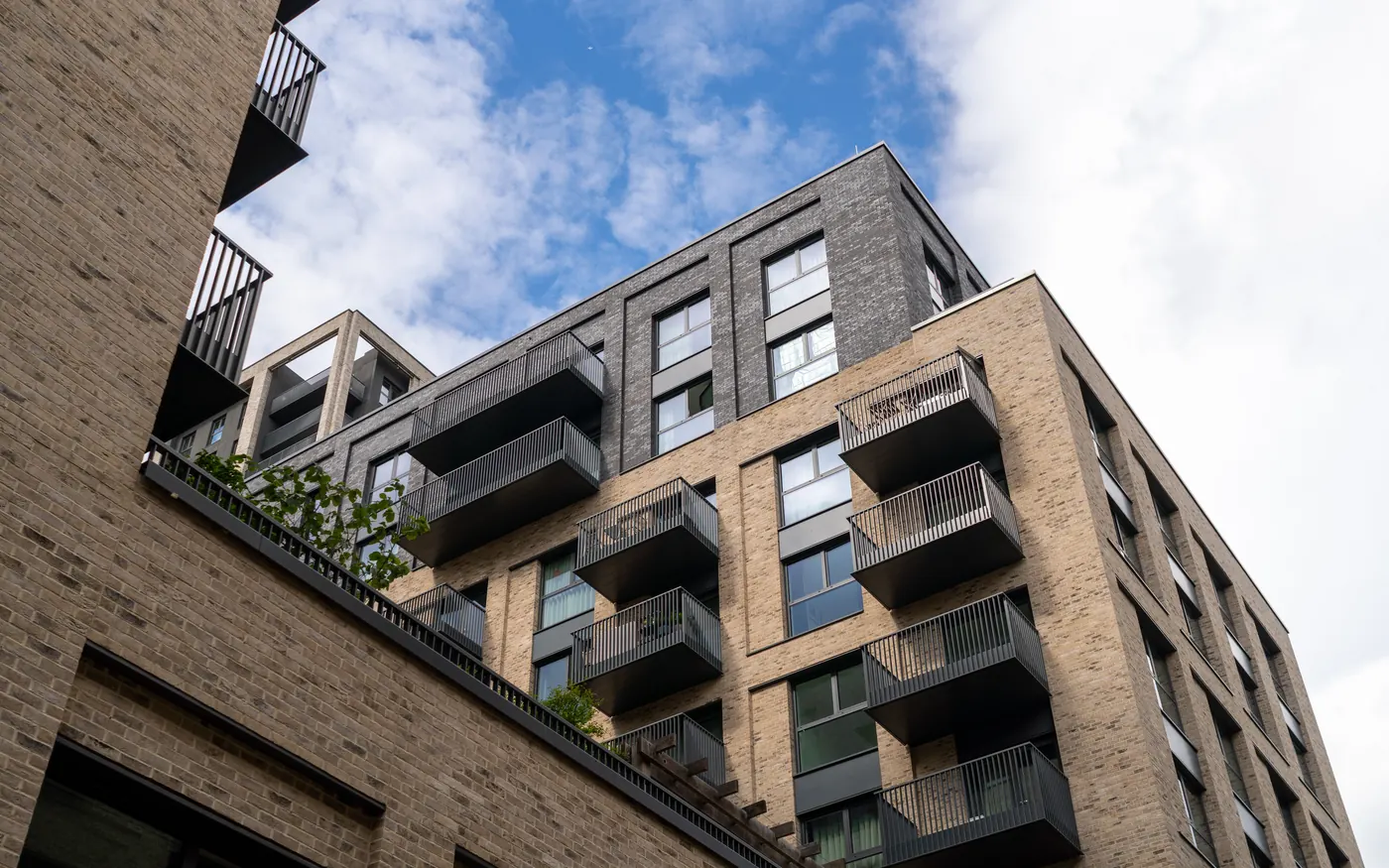

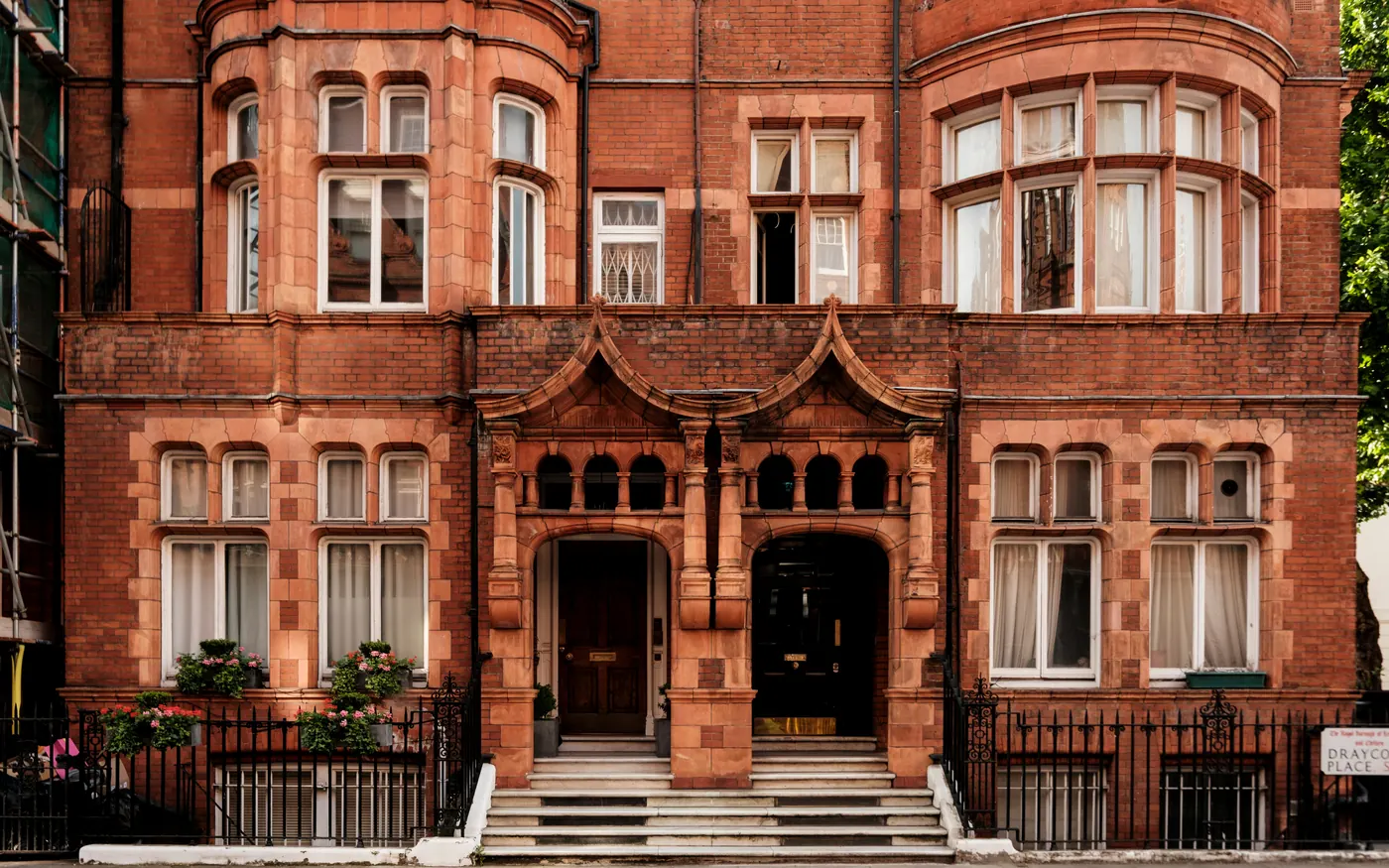
Houses, bungalows, flats and HMOs. A RICS-compliant rebuild valuation covering construction, demolition and site clearance, professional fees, and VAT where applicable. Suitable for homeowners and buy-to-let landlords.
Residential rebuild cost assessmentsFreeholders, managing agents, RMCs and RTM companies have a duty to insure correctly under the lease. We assess the whole building including communal areas, car parks, lifts and external works, with a report leaseholders can rely on.
Block of flats rebuild cost assessmentsOffices, retail, industrial units, warehouses, hotels, schools and mixed-use buildings. Elemental costings that reflect specification, plant and services so your business can rebuild properly after a loss.
Commercial rebuild cost assessmentsPeriod, thatched and listed properties need like-for-like materials and specialist trades. Our surveyors account for conservation requirements and the true cost of traditional construction.
Listed building rebuild cost assessmentsHow it works
A simple process from enquiry to report.
Request a quote
Tell us the postcode, property type and size. We'll confirm the right type of assessment for your property.
Assessment
A RICS surveyor carries out a site inspection in London, or a desktop assessment anywhere in the UK, measuring the gross internal area and recording construction and specification.
Costing
We apply current BCIS rebuild cost data, regional adjustments, demolition, site clearance, professional fees and VAT.
Your report
A signed rebuild cost assessment report to send to your insurer or broker and use to set your sum insured.
On-site in London. Desktop across the UK.
We specialise in on-site rebuild cost assessments in London. Desktop surveys are available for property anywhere in the UK.
On-site surveys in London
A RICS surveyor visits the property, measures it and records the construction, specification and site conditions. On-site surveys are the most accurate option, and the one we recommend for commercial buildings, blocks of flats, listed buildings and larger homes.
- City of London
- Canary Wharf
- Westminster
- Camden
- Islington
- Kensington and Chelsea
- Hammersmith and Fulham
- Wandsworth
- Lambeth
- Southwark
- Tower Hamlets
- Hackney
- Greenwich
- Richmond upon Thames
- Croydon
- Barnet
- Across Greater London
Desktop surveys anywhere in the UK
A desktop (virtual) survey uses floor plans, measurements, photographs and the building details you send us. You get the same signed RCA report without a site visit.
- Available across England, Scotland, Wales and Northern Ireland
- Suits most standard homes and simpler buildings
- Same RICS methodology and BCIS rebuild cost data
Is your property insured for the right amount?
Get a RICS rebuild cost assessment today.
Who we help
Anyone responsible for insuring a building, with on-site surveys across London and desktop surveys anywhere in the UK.
Homeowners
Check your sum insured before renewal. Rebuild cost is often very different from market value.
Landlords
Protect buy-to-let and HMO portfolios with accurate rebuild figures for every property.
Freeholders & RMCs
Meet your lease obligations and give leaseholders confidence the building is insured correctly.
Managing agents
Fast, consistent reports across your whole managed portfolio, with reminders when reassessment is due.
Businesses
Avoid the average clause reducing your claim payout if your premises are under-insured.
Insurance brokers
Refer clients for independent, RICS-standard valuations that support accurate placement.
Rebuild cost assessment explained
What an RCA report covers, how the rebuild figure is worked out, and when you need one.
What is a rebuild cost assessment?
A rebuild cost assessment works out the total cost of rebuilding your property from the ground up if it were completely destroyed, for example by fire or flood. Insurers call this the reinstatement cost, and it is the figure your buildings insurance sum insured should be based on. It is not the same as the price you paid or what the property would sell for.
Also known as Reinstatement cost assessment RCA report Insurance rebuild valuation
Rebuild cost and market value are different
Market value includes the land and reflects local demand. Rebuild cost only reflects labour, materials and the way the building is constructed. This is why many homes are insured for the wrong amount: owners use the purchase price or a quick online estimate rather than a proper rebuild cost assessment.
| Comparison | Rebuild cost | Market value |
|---|---|---|
| What it measures | Cost of rebuilding the building | Price the property would sell for |
| Includes the land | No | Yes |
| Main drivers | Size, construction, materials, site and building costs | Location, demand, condition and recent sales |
| Used for | Setting your buildings sum insured | Buying, selling, borrowing and tax |
What is included in an RCA report?
- Construction costs for the building as it stands today, using current BCIS rebuild rates for your region.
- Demolition and site clearance to remove the damaged structure before rebuilding starts.
- Professional fees for architects, surveyors and engineers needed to manage the rebuild.
- External works such as garages, outbuildings, boundary walls, drives and, for blocks, car parks and communal areas.
- VAT where it applies, plus any allowance for building regulations and planning requirements.
- Statutory fees for planning, building control and other approvals the rebuild needs.
- Current Building Regulations so the new building meets today’s standards, which can cost more than the original.
- Site and access including temporary works, protecting neighbouring buildings, basements and sloping or tight sites.
When do you need a rebuild cost assessment?
- When you buy a property or take out a new buildings insurance policy.
- Before renewal, if your sum insured has not been checked in the last three years.
- After an extension, loft conversion, refurbishment or change of use.
- If you are a freeholder, RMC, RTM company or managing agent responsible for insuring a block.
- For listed, thatched or period buildings, where specialist materials and trades raise the cost.
- When you buy a freehold or take over the management of a block.
- Whenever your insurer, broker, lender or lease asks for one.
What affects the rebuild cost of a property?
The main factors are the gross internal floor area, the type of construction, the quality of the specification, the number of storeys, access to the site and the region of the UK. Listed status, conservation area rules and unusual materials can add significantly to the figure, which is why a RICS-standard assessment is more reliable than a general calculator.
What a rebuild cost does not include
- The value of the land, which is still there after a fire.
- Your contents and belongings, which are insured separately.
- Loss of rent or alternative accommodation, usually covered by other sections of your policy.
VAT and your sum insured
VAT can apply to rebuilding work and to professional fees. Whether it belongs in your sum insured depends on the type of work and on whether whoever insures the building can recover VAT. We include it where it applies, and your accountant can confirm your own position.
Frequently asked questions
Common questions about rebuild cost assessments and RCA reports.
A rebuild cost assessment, often called an RCA report or reinstatement cost assessment, calculates how much it would cost to completely rebuild your property if it were destroyed. That includes demolition, site clearance, professional fees and VAT where applicable. It is the figure your buildings insurance sum insured should be based on.
Yes. Rebuild cost assessment, reinstatement cost assessment, RCA report and insurance rebuild valuation all describe the same thing: an assessment of the cost to rebuild a building for insurance purposes.
No. Market value includes the land and reflects local demand, while rebuild cost reflects labour, materials and construction method. A city-centre flat may have a rebuild cost well below its market value, while a rural stone cottage can cost more to rebuild than it would sell for.
If your sum insured is too low, insurers can apply the average clause and reduce any claim proportionally, even for partial damage. Insured for 60% of the true rebuild cost? You may only receive 60% of your claim. If you over-insure, you pay higher premiums for cover you can never claim.
A rebuild cost assessment should be carried out by a qualified surveyor following RICS guidance. Our assessments are prepared by RICS-regulated surveyors using current BCIS (Building Cost Information Service) rebuild cost data adjusted for your region and specification.
Our reports set out the method, the measurements and the rebuild figure clearly, so you can pass them straight to your insurer or broker to set or check your sum insured.
In London we carry out on-site surveys, which we recommend for blocks of flats, commercial premises, listed buildings and anything unusual or high value. A desktop assessment uses floor plans, measurements and photographs, suits most standard homes and is available anywhere in the UK.
We carry out on-site surveys across London. Desktop surveys are available for property anywhere in England, Scotland, Wales and Northern Ireland.
RICS recommends a full rebuild cost assessment at least every three years, with the figure index-linked annually in between. You should also reassess after any extension, conversion or major refurbishment. Index-linking keeps the figure in line with building costs, but it cannot pick up changes to the building itself.
Usually the freeholder or management company insures the whole building, so the assessment should cover the entire block. We work with freeholders, RMCs, RTM companies and managing agents to provide whole-building reports.
Most residential desktop reports are delivered within 3 to 5 working days. Site inspections are typically booked within a week, with the report following shortly after. Let us know if you have a renewal deadline.
No. It is a cost assessment, not a valuation. It works out what it would cost to rebuild the building, while a valuation estimates what the property would sell for.
No. The land is not included because it remains after a loss, and contents are insured separately. The figure covers rebuilding the building, demolition and site clearance, fees and VAT where it applies.
Rebuild cost depends on construction, materials, site conditions and building costs, not on local property prices. Period, listed or high-specification buildings, and properties in lower-value areas, can cost more to rebuild than they would sell for.
Yes. We use rebuilding cost data from BCIS, the Building Cost Information Service, adjusted for the type of building, its location and anything the data does not capture, such as unusual construction or difficult access.